By Josh Bouwman, Lemon Tree Digital Lead

Get ready to navigate the ever-changing digital world with our predictions for 2022 and the resources you need to navigate this vastly changing landscape.

The only constant is change

The past few years have seen a monumental shift in both how consumers interact online and the way businesses conduct themselves. There’s a lot more change ahead and consumption of digital media is changing quicker than ever. Now is the perfect time to be revisiting your digital strategy. 

Your digital strategy needs to be robust, nimble and include multiple customer touchpoints. Be ready to pivot and test new ways to reach your customers.

Meta, more than just a name change

Facebook is so last year. 

You might see it as the same old platform you know (and love), but Meta is proving to be more than just a name change. 

Meta plans to open up an entirely new ‘metaverse’ for brands and consumers to interact in virtual and augmented realities. Although a few years away from reality, advertisers should see Meta’s continuous innovations and their focus on improving the end-user experience as their commitment to reign the social media landscape.

With 3 billion active users and growing, Meta’s suite of platforms is a safe haven for advertisers to reach their customers.

Content is king, still

It should come as no surprise that content has made our trending list. The rise of Tik Tok, Instagram Stories and YouTube has put even more pressure on businesses to feed consumers relevant, relatable, timely and authentic content.

As an advertiser, you need to be breaking into your audience’s already diminished attention span. But when you have their attention, how do you hold it?

Reach beyond well-manicured photos and perfectly crafted copy to include short, punchy videos and authentically raw photography that shows the true essence of your brand. 

Emails are a rising priority 

Despite customer acquisition costs rising sharply over the past two years, email marketing still offers one of the lowest conversion costs for B2C and B2B businesses.

Owing to ever-increasing automation and personalisation capabilities, email allows you to actively nurture your customers and engage with them meaningfully throughout their journey with your brand. 

With the right strategy and personalised approach, email marketing should be ranked highly on your priority list (if it’s not already).

Influencers are here to stay 

Sometimes it makes us cringe, but influencer marketing still drives results for many industries. 

Growth is expected to continue into 2022 and beyond with influencers and brand ambassadors giving businesses an avenue to reach customers on an authentic and personal level. If influencers aren’t your thing, try reaching out to your existing customers and clients for user-generated content and testimonials.

The SEO game is changing 

SEO was once a game of tricks and hacks to get your site ranking number one. 

As Google’s search algorithms constantly change, what has become increasingly important is providing an outstanding and meaningful user experience. With this in mind, your SEO strategy should be shifting towards optimisations that will enhance your site’s load time, user experience and navigation, as well as ensure your content is readable and accessible.

The growing challenge of privacy 

We’ve seen significant changes in how big tech handles privacy and this is set to continue well beyond 2022.

The majority of digital advertising platforms are heavily reliant on personal data to optimise and serve ads to the right audience at the right time. Privacy regulations (like those seen in iOS updates from Apple and the removal of third-party tracking from Google) have significantly reduced the amount of data once available.

Media platforms have worked tirelessly over the past twelve months to implement solutions that will assist advertisers in reaching their target audience. As advertisers, we need to be continuously assessing our targeting strategies with more changes predicted for later this year.

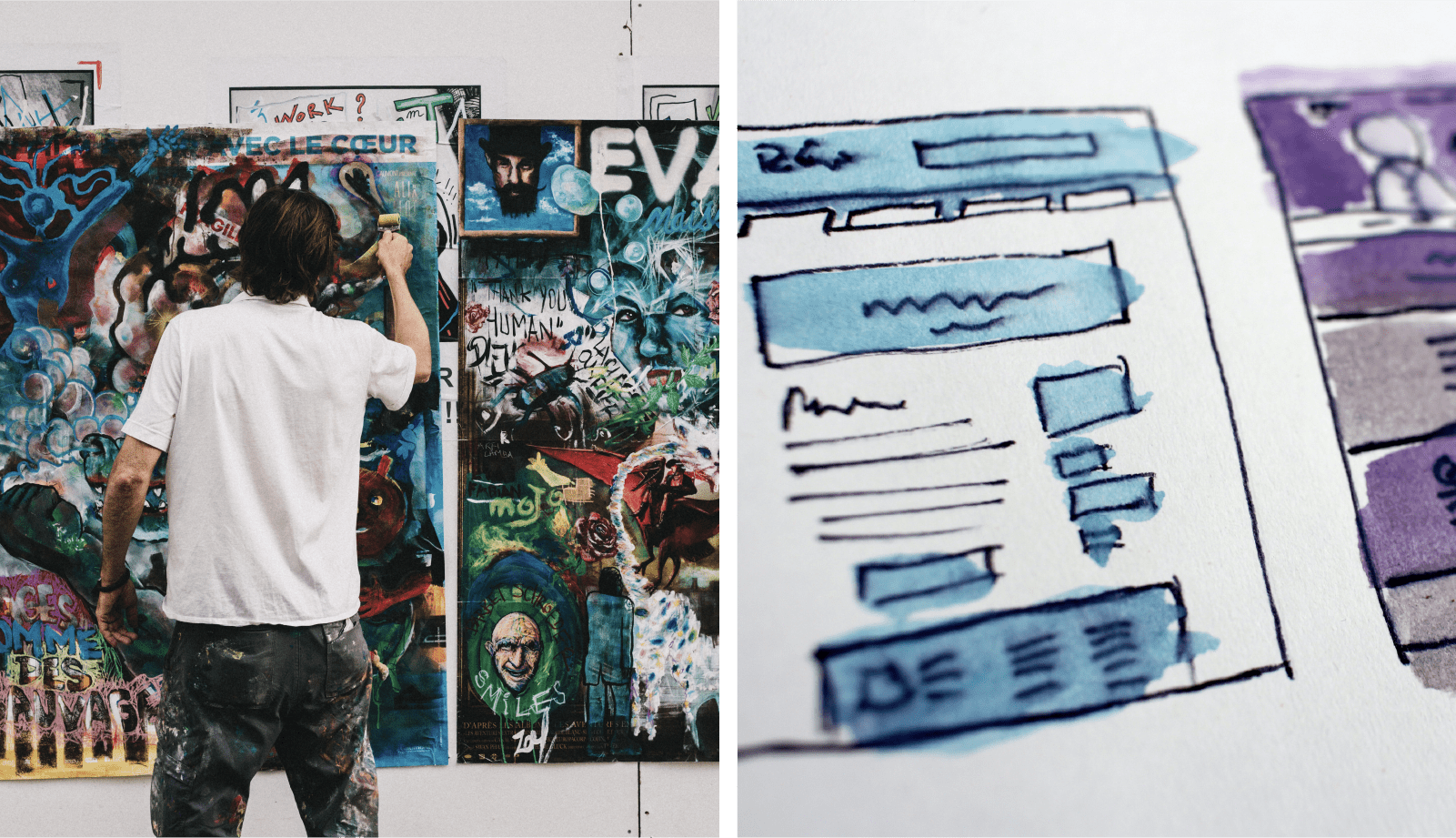
When we think about visual creativity, art and design are two of the most common disciplines that come to mind. Both use colour, line, shape, spacing, composition and many other elements to create a visual outcome. But despite their similarities, both art and design have a set of very distinct qualities that set them apart. 

Okay, but why does it even matter?

As creatives, we often see people confuse design outcomes they like with effective design. They evaluate design in the same way that they would art. Yet the purpose, process and data source behind them is completely different – meaning the way we evaluate them should be different, too.

To help you better judge the value of art vs design, we’ve unpacked the three key features that distinguish them.

Purpose: Expression vs function

Jak BettingSitesNew ocenia rozwój nowych bukmacherów w Polsce

Rynek zakładów sportowych w Polsce przeszedł w ostatniej dekadzie gruntowną transformację. Ustawa hazardowa z 2009 roku, a następnie jej nowelizacja z 2017 roku, która weszła w życie w pełni od 2018 roku, radykalnie zmieniły zasady funkcjonowania bukmacherów na terenie kraju. Wprowadzenie obowiązku uzyskania licencji od Ministerstwa Finansów, rejestr domen blokowanych przez CERT Polska oraz wymóg posiadania siedziby lub oddziału na terytorium Rzeczypospolitej Polskiej sprawiły, że liczba legalnie działających operatorów wzrosła stopniowo z kilku do kilkudziesięciu podmiotów. W tym dynamicznym środowisku regulacyjnym i rynkowym pojawiło się zapotrzebowanie na narzędzia analityczne, które pozwalają oceniać nowych uczestników rynku w sposób systematyczny i oparty na konkretnych kryteriach. Jednym z portali, który podjął się tego zadania z perspektywy porównawczej i informacyjnej, jest BettingSitesNew, koncentrujący się właśnie na analizie debiutujących bukmacherów w różnych jurysdykcjach europejskich, w tym w Polsce.

Kryteria oceny stosowane przy analizie nowych bukmacherów

Ocena nowego bukmachera to zadanie znacznie bardziej złożone niż porównanie bonusów powitalnych czy szerokości oferty sportowej. BettingSitesNew stosuje wielowarstwowy model ewaluacji, który uwzględnia zarówno aspekty formalno-prawne, jak i operacyjne oraz technologiczne. Pierwszym i podstawowym kryterium jest status licencyjny. W Polsce oznacza to weryfikację, czy dany operator figuruje na liście podmiotów posiadających zezwolenie wydane przez Dyrektora Izby Administracji Skarbowej w Warszawie, co jest wymogiem wynikającym z ustawy o grach hazardowych z dnia 19 listopada 2009 roku ze zmianami. Operatorzy bez tej licencji trafiają automatycznie na listę blokowanych domen i nie mogą legalnie świadczyć usług polskim graczom.

Drugim istotnym obszarem analizy jest stabilność finansowa i historia korporacyjna operatora. Nowy bukmacher na polskim rynku niekoniecznie oznacza nową firmę — wiele podmiotów, które uzyskały polską licencję po 2018 roku, to spółki z wieloletnim doświadczeniem na rynkach zachodnioeuropejskich, takich jak Malta, Gibraltar czy Wielka Brytania. Analitycy sprawdzają, czy spółka matka posiada licencję MGA (Malta Gaming Authority) lub UKGC (UK Gambling Commission), co stanowi dodatkowy wskaźnik wiarygodności. Firmy debiutujące bez żadnego wcześniejszego doświadczenia regulacyjnego są traktowane z większą ostrożnością i poddawane bardziej szczegółowej analizie kapitałowej.

Trzecim elementem oceny jest infrastruktura technologiczna. Dotyczy to zarówno jakości platformy zakładowej, szybkości rozliczania kuponów, dostępności zakładów na żywo, jak i bezpieczeństwa danych użytkowników zgodnie z wymogami RODO. Nowi operatorzy często korzystają z gotowych silników dostarczanych przez firmy takie jak SBTech, Kambi czy Sportradar, co samo w sobie nie jest wadą, ale wymaga weryfikacji, czy integracja została przeprowadzona rzetelnie i czy dane gracza są odpowiednio chronione. Czwartym kryterium jest jakość obsługi klienta — w tym dostępność wsparcia w języku polskim, czas odpowiedzi oraz procedury rozpatrywania reklamacji, które w Polsce reguluje m.in. ustawa o ochronie konsumentów.

Specyfika polskiego rynku i wyzwania dla nowych podmiotów

Polski rynek zakładów sportowych charakteryzuje się kilkoma cechami, które odróżniają go od rynków zachodnioeuropejskich i które mają bezpośredni wpływ na to, jak nowi bukmacherzy są oceniani. Po pierwsze, dominacja kilku dużych graczy — takich jak Fortuna, STS czy Totalbet — oznacza, że nowy podmiot wchodzi na rynek z bardzo silną konkurencją, która zdążyła zbudować rozpoznawalność marki i lojalność klientów przez wiele lat. Według danych Ministerstwa Finansów za rok 2022, rynek legalnych zakładów wzajemnych w Polsce generował przychody rzędu kilku miliardów złotych rocznie, przy czym znaczna część tej kwoty koncentrowała się w rękach kilku podmiotów z najdłuższym stażem.

Po drugie, specyfika podatkowa. Polskie prawo nakłada na bukmacherów podatek od gier w wysokości 12% od przychodu brutto z zakładów (GGR), co jest stawką zbliżoną do średniej europejskiej, ale wymaga od operatorów precyzyjnego zarządzania marżami. Dla nowego gracza na rynku oznacza to konieczność zrównoważenia konkurencyjności kursów z rentownością operacyjną — zadanie tym trudniejsze, że polscy gracze są coraz bardziej świadomi wartości kursowej i aktywnie porównują oferty różnych bukmacherów.

Po trzecie, regulacje dotyczące reklamy. Od 2017 roku reklama usług hazardowych w Polsce podlega ścisłym ograniczeniom — jest dozwolona wyłącznie w określonych godzinach w mediach elektronicznych, zakazana w pobliżu szkół i placówek oświatowych oraz obwarowana obowiązkiem umieszczania komunikatów o odpowiedzialnej grze. Nowi bukmacherzy muszą od pierwszego dnia działalności przestrzegać tych zasad, co ogranicza ich możliwości budowania rozpoznawalności marki w porównaniu z podmiotami, które działały przed zaostrzeniem przepisów. Warto w tym kontekście odnotować, że portal http://betting-sites-new.com/ uwzględnia zgodność marketingową jako jeden z elementów oceny, analizując, czy komunikacja nowego operatora jest spójna z wymogami prawnymi obowiązującymi w danym kraju.

Czwartym wyzwaniem jest kwestia metod płatności. Polscy gracze preferują lokalne rozwiązania płatnicze — BLIK, Przelewy24, a w mniejszym stopniu karty kredytowe. Nowi bukmacherzy, szczególnie ci wywodzący się z rynków anglosaskich lub maltańskich, muszą zainwestować w integrację z lokalnymi procesorami płatności, co wiąże się z kosztami i czasem wdrożenia. Brak BLIK w ofercie bukmachera jest dziś w Polsce poważną barierą wejścia, którą analitycy traktują jako sygnał ostrzegawczy przy ocenie nowego operatora.

Metodologia oceny i transparentność procesu analitycznego

BettingSitesNew wypracował metodologię, która stara się łączyć obiektywne dane z oceną ekspercką. W przypadku polskiego rynku proces ten składa się z kilku etapów. Pierwszym jest weryfikacja dokumentacyjna — sprawdzenie publicznych rejestrów Ministerstwa Finansów, Krajowej Administracji Skarbowej oraz europejskich organów regulacyjnych w celu potwierdzenia statusu licencyjnego operatora. Etap ten jest realizowany przed jakąkolwiek oceną merytoryczną i stanowi warunek konieczny do dalszej analizy.

Drugi etap to analiza oferty produktowej. Obejmuje ona nie tylko zakres sportów i rynków dostępnych w ofercie, ale również głębokość rynków (liczbę dostępnych typów zakładów na pojedyncze wydarzenie), jakość kursów mierzoną marżą bukmacherską oraz dostępność funkcji takich jak cashout, zakłady systemowe czy budowanie własnych kuponów. W Polsce szczególnie istotna jest oferta na piłkę nożną — Ekstraklasę, Puchar Polski oraz europejskie rozgrywki klubowe — ponieważ to właśnie te dyscypliny generują największy wolumen zakładów wśród polskich graczy.

Trzeci etap to testowanie platformy w warunkach rzeczywistych. Analitycy zakładają konta testowe, przechodzą przez procesy weryfikacji tożsamości (KYC — Know Your Customer), składają depozyty różnymi metodami płatności, zawierają zakłady i inicjują wypłaty. Czas realizacji wypłat, kompletność procesu weryfikacyjnego oraz jakość interakcji z obsługą klienta są dokumentowane i włączane do finalnej oceny. W Polsce procedury KYC są ściśle regulowane przez ustawę o przeciwdziałaniu praniu pieniędzy i finansowaniu terroryzmu (AML), co oznacza, że bukmacherzy mają obowiązek weryfikować tożsamość graczy przed realizacją wypłat powyżej określonych progów.

Czwarty etap to analiza warunków promocyjnych. Nowi bukmacherzy często przyciągają graczy atrakcyjnymi bonusami powitalnymi — zakładami bez ryzyka, darmowymi zakładami czy podwyższonymi kursami na pierwsze zdarzenie. BettingSitesNew analizuje nie tylko nominalną wartość tych ofert, ale przede wszystkim warunki ich realizacji: wymagania dotyczące obrotu, ograniczenia kursowe, terminy ważności oraz transparentność regulaminów. Doświadczenie pokazuje, że atrakcyjna oferta powitalna z ukrytymi warunkami jest jednym z najczęstszych sygnałów ostrzegawczych przy ocenie nowych operatorów.

Trendy rynkowe i kierunki rozwoju sektora bukmacherskiego w Polsce

Obserwując polski rynek zakładów sportowych w perspektywie ostatnich pięciu lat, można zidentyfikować kilka wyraźnych trendów, które mają wpływ zarówno na strategie nowych bukmacherów, jak i na kryteria ich oceny. Pierwszym i najważniejszym trendem jest mobilizacja — przenoszenie aktywności graczy z platform desktopowych na urządzenia mobilne. Według szacunków branżowych, w 2023 roku ponad 70% zakładów w Polsce było zawieranych za pośrednictwem smartfonów lub tabletów. Oznacza to, że nowy bukmacher bez dopracowanej aplikacji mobilnej lub responsywnej wersji strony internetowej ma poważnie ograniczone szanse na sukces rynkowy.

Drugim trendem jest rosnące znaczenie zakładów na żywo (in-play). Polscy gracze coraz chętniej typują w trakcie trwania wydarzeń sportowych, co wymaga od bukmacherów inwestycji w infrastrukturę streamingową, zaawansowane algorytmy wyceny kursów w czasie rzeczywistym oraz stabilne systemy obsługi wysokiego wolumenu transakcji jednoczesnych. Nowi operatorzy, którzy wchodzą na rynek z ograniczoną ofertą live lub z problemami technicznymi w tym obszarze, są oceniani zdecydowanie niżej niż ci, którzy zadbali o tę funkcjonalność od pierwszego dnia działalności.

Trzecim trendem jest personalizacja oferty. Zaawansowani gracze oczekują dziś od bukmacherów narzędzi analitycznych, historii zakładów w czytelnej formie, możliwości ustawiania limitów odpowiedzialnej gry oraz spersonalizowanych powiadomień o kursach. Elementy te wpisują się jednocześnie w wymogi regulacyjne dotyczące ochrony graczy, które w Polsce są egzekwowane przez organy podatkowe i które nakładają na operatorów obowiązek wdrożenia procedur identyfikacji hazardu problemowego.

Czwartym trendem, który nabiera znaczenia, jest ekspansja zakładów esportowych. Polska ma silną społeczność graczy esportowych, a turnieje takie jak ESL Pro League czy BLAST Premier cieszą się rosnącą popularnością wśród młodszych grup demograficznych. Nowi bukmacherzy, którzy dostrzegają ten segment i oferują szeroką ofertę na CS2, League of Legends czy Valorant, zyskują przewagę konkurencyjną w segmencie graczy poniżej 35. roku życia. Analitycy oceniający nowych operatorów coraz częściej uwzględniają jakość oferty esportowej jako samodzielne kryterium, a nie jedynie dodatek do oferty sportowej.

Warto również odnotować, że w Polsce obserwuje się stopniowy wzrost zainteresowania zakładami na sporty wirtualne, choć segment ten pozostaje marginalny w porównaniu z zakładami na prawdziwe wydarzenia sportowe. Regulacje dotyczące sportów wirtualnych są ujęte w tej samej ustawie hazardowej co zakłady tradycyjne, co oznacza, że nowi operatorzy oferujący tę kategorię muszą spełniać identyczne wymogi licencyjne.

Rynek bukmacherski w Polsce dojrzewa w tempie, które wymaga od analityków i obserwatorów branży systematycznego aktualizowania narzędzi oceny. Nowi bukmacherzy, którzy wchodzą na ten rynek, muszą mierzyć się z wymagającym otoczeniem regulacyjnym, silną konkurencją ze strony ugruntowanych graczy oraz rosnącymi oczekiwaniami graczy w zakresie technologii, bezpieczeństwa i jakości obsługi. Metodologia stosowana przez BettingSitesNew przy ocenie tych podmiotów stara się odzwierciedlać tę złożoność — traktując licencję nie jako punkt końcowy weryfikacji, lecz jako punkt wyjścia do głębszej analizy operacyjnej, produktowej i etycznej. Dla graczy, którzy chcą świadomie wybierać spośród nowych operatorów dostępnych na polskim rynku, tego rodzaju systematyczna analiza stanowi wartościowe uzupełnienie własnej oceny i pozwala uniknąć pułapek związanych z wyborem bukmachera wyłącznie na podstawie atrakcyjności oferty powitalnej.

Perhaps the most fundamental difference between art and design is purpose.

Art is about creative self-expression. It uses the infinite imagination of the artist to provoke thought and evoke emotion. It might tell a story or provide commentary on societal issues. It takes the opinions, feelings and observations of the artist and turns them into something others can experience. 

Design, on the other hand, is the process of systematically planning and developing something for a specific purpose. It’s a means to an end. It provides a solution or serves a goal, like triggering a psychological response, informing a judgement or perception, helping the audience to complete an action or providing them with relevant information. Design simplifies the thought process and allows the audience to complete a task with less effort. It provides value for this audience in a way that art does not, and this lies within its purpose.

Art is expressive, imaginative, thought-provoking and emotive. 

Design is functional, purposeful, influential and outcome-oriented.

Process: Intuitive vs systematic 

While artists often have their own creative process, much of their work comes from intuition and instinct. Their output comes from personal style and preference and doesn’t need to follow a specific structure or process – unless the artist chooses to.

When we think about the design process, it is largely methodical and structured. Designers work backwards in their approach, focusing on the objective or goal of their design before using a creative process to get there. 

In the context of brand, marketing or product development, design also needs to be consistent; it should be driven by the parameters of the brand and informed by the wants or needs of the audience, not the creative preference of the designer. 

Art is instinctive, spontaneous, creative and internally driven. 

Design is systematic, structured, consistent and informed.
Source of truth: Subjective vs objective 

Art is subjective. It is a reflection of the way the artist sees and experiences the world, and can be interpreted many different ways by many different people. It’s founded in or influenced by personal feelings, preferences and opinions. For this reason, one person may completely resonate with a piece, yet another might truly dislike it. 

While design may still be subjective in terms of whether a person likes it or not, it is still objective by nature. That is to say, it is not influenced by the personal feelings of the designer, but rather is created based on data about the communicator (e.g the brand) and the audience (e.g their consumer). With this in mind, design should be interpreted the same way by many different people within the audience group. 

Art is subjective, intrinsic and based on the artist.

Design is objective, extrinsic and based on the audience.

Crossing the barriers between art and design 

Of course, there are instances where art and design collide. Consider an artist that is commissioned by a brand to do a piece as part of an advertising campaign, or a design that serves a purpose while also making people feel something. An artist could apply design principles to their work, and a designer could let their personal style inspire their creative direction. 

But in essence, art is driven by expression, intuition and subjectivity, while design is led by function, structure and objectivity.

They’re similar, but not the same – so the way we judge their value needs to be different, too.

Back when there were far fewer brands in the market, branding was a pretty straightforward practice. Find an opportunity in the market, stick a few key USP’s on your packaging and gain exposure through mass media. 

However, things weren’t always going to remain this simple…

With the introduction of the World Wide Web, social media, and an influx of competitors seeking out a slice of the market pie, maintaining your brand’s status in the mind of consumers became a little more challenging. So, how did some brands go from strength to strength throughout the years? 

To put it simply, they made a promise and stuck to it. Even before Marc Gobé released his breakthrough emotional branding concept 20 years ago, these brands were well ahead of the game, tugging on the heartstrings of their customers. 

Let us elaborate.

C.C Filson (or just Filson these days)

Since 1897, Filson has remained competitive in the men’s apparel space. So, how did they gain their status, and how do they continue to compete after such a long time?

Firstly, the founder, C.C. Filson truly believed that his products were the most durable and reliable apparel for outdoorsmen.

He believed in them so much that he backed up his claim with a lifetime guarantee on all Filson products. Even to this day, the brand reassures its customers that if they purchase from Filson, they’ll always be clothed appropriately for the great outdoors.

Rather than pushing product benefits, Filson sells a ticket to the outdoors that lasts a lifetime.

At the time, Filson knew their customers’ needs better than the customers themselves. The company famously placed an ad in the local newspaper with an illustration of skeletons and frozen bobsleds at the bottom of a mountain pass. By them marched a group of men wearing parkas, with the simple slogan, ‘Victims of cheap outfitters’.

Back then, Filson’s customer base was largely gold miners heading north to try their luck at Klondike River; however, the same promise is still relevant to the outdoorsmen of today.

Filson has capitalised on its rich history and unwavering craftsmanship to continue selling a ticket to the outdoors for men all over the world.

Patagonia

Another brand that has stood the test of time is Patagonia. 

Throughout its 48 years, Patagonia has stuck to its guns and never once swayed from its mission, ‘to be in business to save our home planet’.

One of the most powerful quotes we really admire was by founder Yvon Chouinard:

“You can’t reverse into a mission and values through marketing. The organisations that are struggling with this are probably the ones that are thinking about marketing first. The role of marketing is to authentically elevate that mission and purpose and engage people in it, but the purpose needs to be the business.”

Focusing on remaining brand-led and forging its own path based on the brand’s purpose rather than responding to the demands of its consumers has granted Patagonia’s long-standing success. 

The brand never wanted to be in business to mass-produce clothing that would impact the environment and has demonstrated that promise in some pretty expressive ways.

Patagonia turned Black Friday on its head with its ‘Don’t Buy This Jacket’ campaign. 

If you managed to miss the ad featured in The New York Times, Patagonia straight up called out consumerism. 

The company got major attention for trying to achieve the complete opposite of every other Black Friday campaign that year. Patagonia restated its purpose and in doing so, solidified itself as a brand doing good for the rest of the world. 

Patagonia has never faulted in its mission to work for environmental change. Though there have been calls for the company to become publicly listed, Patagonia has responded with a hard ‘No’ in a bid to avoid ‘selling out’ to people who don’t share their values.

Patagonia’s authentic purpose has been the powerhouse behind its success, never failing to impress its passionate followers.

We love your work, Patagonia!

Vegemite

If you grew up without Vegemite in your cupboard, we’re sorry to say, but you’re well and truly in the minority. Since its inception in 1923, Vegemite has secured itself as the spread for Australians and has dominated the condiment market ever since.

So, how did Vegemite, a rather simple product made from leftover brewers’ yeast extract, and founded by an American, make it as one of the most well-known brands in Australia to this day?

Well, they positioned themselves that way.

However, it wasn’t all smooth sailing for Vegemite. The brand had to overcome numerous setbacks before finding its feet. 

In the lead up to the brand’s success, Vegemite faced some harsh backlash for failing to take down the market leader at the time, Marmite. However, Vegemite stayed true to itself and believed in its superior product to remain undiscouraged by its numerous failed branding attempts. 

Vegemite took a step back to reevaluate its purpose. 

Rather than selling a relatively healthy product packed with vitamins or putting up a petty fight with the current market leader, Vegemite was now in the business of fuelling the Australian spirit.

Eventually, after increasing the brand’s exposure through various competitions, and official endorsement by the British Medical Association, Vegemite became a staple in the ration packs for Australian soldiers during World War 2, reinventing itself as a patriotic symbol of Australia.

“Vegemite: Keeping fighting men fighting fit”

Since then, they’ve cast their entire focus on serving Australian soldiers, fathers, wives and children. 

Cue the famous jingle, ‘happy little vegemite’.

The jingle won our hearts, and even today remains the secondary anthem of our nation, simplifying the choice of spreads for generations of Aussie families.

Nowadays, Vegemite is not only our nation’s spread of choice but a mark of pride and ownership as an Australian.

So, what do these brands have in common?

They each have a concrete purpose that drives every business and brand decision.

To create a strong brand that stands the test of time, you need to first determine why you’re in business. Establishing your ‘why’ helps you to define a clear and compelling promise. This is the most fundamental step in establishing a strong brand.

From here is where the magic happens.

Zoe is our bright and bubbly Marketing Manager who keeps the cogs turning across an expansive and diverse client portfolio. 

After finishing high school, Zoe caught a serious case of the travel bug, which saw her travel across the globe to work at a boarding school in the UK for 12 months. During her time abroad, she discovered her passion for Marketing and Behavioural Science, and soon after, she set off back to New Zealand to study at Otago University in Dunedin.

(more…)

Every day, new businesses start up in the hopes of stealing a piece of that proverbial pie. This increasing saturation means we need to work harder than ever to build and maintain a strong position in the market.

The problem is, many businesses rely purely on their marketing activities to achieve this. But to build those really powerful connections that allow us to withstand time, competition and other obstacles to success, we need to take a step back and look at the bigger picture.

This is where your brand comes in. And more specifically, your brand equity.

So, what is brand equity?

In simple terms, brand equity is the significance a brand holds in the eyes of a consumer. It’s the value they place on your brand based on things like experiences, perceptions and associations. It’s the reason you’re more likely to pick up a can of Coke in the supermarket than a can of home brand cola.

As a business, building and maintaining your brand equity represents a massive opportunity for long-term growth. By building and leveraging the equity of your brand, you’ll achieve a stronger competitive advantage, greater customer lifetime value, higher revenues and substantial negotiating power. It also means that your existing customers will be really receptive to new products, services or markets should you decide to expand your offering.

Bukkumekahikakuが解説する相撲賭けの戦略と勝率を高める基本知識

相撲は日本の国技として長い歴史を持ち、その競技としての奥深さは単なるスポーツの枠を超えている。力士同士の体格差、技の種類、取組の流れといった要素が複雑に絡み合うため、相撲賭けはスポーツベッティングの中でも特に分析が難しい分野のひとつとされている。しかし、基礎的な知識と統計的なアプローチを組み合わせることで、賭けの精度を高めることは十分に可能だ。Bukkumekahikakuは、こうした相撲賭けの分析において、データに基づいた戦略の重要性を一貫して強調している。本記事では、相撲賭けにおける基本的な考え方、オッズの読み方、力士データの活用法、そして長期的な勝率向上につながる思考法について詳しく解説する。

相撲賭けの基本構造とオッズの読み方

相撲賭けを始めるにあたって最初に理解すべきなのは、オッズがどのように形成されるかという仕組みだ。ブックメーカーは各取組の勝敗予測を確率として表現し、その確率にマージン(ヴィグまたはジュース)を上乗せすることでオッズを設定する。例えば、ある力士の勝率が60%と予測された場合、純粋な公正オッズは1.67倍となるが、実際に提示されるオッズは1.55倍から1.60倍程度に抑えられることが多い。この差がブックメーカーの利益の源泉であり、賭ける側にとっては常に不利な条件が課されていることを意味する。

相撲の場合、1場所15日間の本場所中は毎日取組が行われるため、賭けの機会は非常に多い。しかし、機会が多いことは必ずしも有利ではない。賭けを重ねるほど、ブックメーカーのマージンが蓄積されて長期的な期待値が下がるリスクがある。このため、取組ごとに選択的に賭けることが基本戦略のひとつとなる。すべての取組に賭けるのではなく、自分が優位性を持てると判断した取組だけに絞ることが重要だ。

また、相撲賭けにおけるオッズの動きにも注目する必要がある。取組発表直後に設定されるオープニングオッズと、取組当日に確定するクロージングオッズを比較することで、市場の動向を読むことができる。オッズが大きく動いた場合、それは多くの賭け金が一方向に集中していることを示しており、インフォームドベター(情報を持った賭け手)の動きが反映されている可能性がある。クロージングオッズはオープニングオッズよりも効率的であることが多いため、オッズの変動方向に沿って賭けることが有効な戦術になり得る。

さらに、相撲賭けでは「番狂わせ」の発生率も重要な指標だ。過去の本場所データを分析すると、幕内上位の力士が平幕力士に敗れる確率は場所によって異なるが、おおよそ15%から25%の範囲で推移している。この数値を念頭に置きながら、過小評価されたアンダードッグに賭けるバリューベッティングの機会を探ることが、長期的な収益につながる可能性がある。

力士データの分析と取組前の情報収集

相撲賭けで継続的に勝率を高めるためには、力士に関するデータを体系的に収集・分析することが不可欠だ。単純な勝敗記録だけでなく、決まり手の傾向、対戦相手別の成績、場所中の体調変化、さらには土俵の状態や気候条件まで考慮に入れることで、より精度の高い予測が可能になる。

決まり手の分析は特に重要だ。日本相撲協会が公式に認定している決まり手は82手あるが、実際の取組で使われる頻度は技によって大きく異なる。寄り切りと押し出しだけで全取組の約50%を占めるとされており、残り50%がその他の技で構成される。特定の力士が特定の決まり手に依存している場合、その技を封じる得意な相手と対戦する際にはオッズ以上のリスクが生じる可能性がある。例えば、前まわしを得意とする力士が、廻し嫌いで知られる突き押しの力士と対戦する場合、体格差や番付だけでは判断できない要素が勝敗を左右することがある。

対戦成績(取組履歴)も見逃せないデータだ。相撲界には「相性」という概念が根強くあり、同体格・同番付の力士同士でも、過去の対戦成績が大きく偏ることがある。これは単なる偶然ではなく、体型の相性や技の相性、さらには心理的な要因が複合的に作用している結果だ。過去10年以上にわたる対戦データを持つベテラン力士同士の取組では、この傾向が特に顕著に現れる。

場所中の体調管理も予測精度に影響する。相撲の本場所は15日間連続で行われるため、後半になるにつれて疲労や怪我の蓄積が顕著になる。特に8日目から10日目以降の取組では、前半に多くの取組をこなした力士のパフォーマンスが低下する傾向がある。また、怪我を抱えながら出場している力士の情報は公式には発表されないことが多いが、稽古場の情報や部屋関係者の発言、さらには取組中の動きのパターンから推測できる場合もある。こうした情報を丁寧に収集することが、ブックメーカーのオッズとの乖離を見つける鍵となる。

Bukkumekahikakuが提供する分析では、こうした複数のデータソースを統合的に評価するアプローチが採用されており、単一の指標に頼らない多角的な視点が重視されている。もっと詳しく知りたい場合は、各力士の過去データや決まり手統計を整理したリソースを参照することで、自分自身の分析モデルを構築する際の参考になるだろう。

バンクロール管理と長期的な収益戦略

相撲賭けに限らず、スポーツベッティング全般において最も軽視されがちで、かつ最も重要な要素がバンクロール管理だ。どれだけ優れた予測能力を持っていても、賭け金の管理が適切でなければ、短期的な連敗によって資金を失ってしまう可能性がある。バンクロール管理の基本は、1回の賭けに使う金額をバンクロール全体の一定割合に抑えることだ。

一般的に推奨される手法としては、固定額ベッティングとケリー基準の2つが代表的だ。固定額ベッティングは、毎回同じ金額を賭ける方法で、シンプルで感情的な判断が入りにくいという利点がある。バンクロールの1%から3%を1単位として設定し、その範囲内で賭けることが基本とされる。一方、ケリー基準は自分が予測する勝率とオッズから最適な賭け金を算出する数学的な手法で、長期的な期待値を最大化するよう設計されている。ただし、ケリー基準は予測精度が高い場合にのみ有効であり、予測が不正確な場合にはリスクが過大になることもあるため、実際にはケリー基準の半分や4分の1の金額を賭けるハーフケリーや4分の1ケリーが多く採用されている。

相撲賭けにおいて特に注意すべきは、本場所の後半における「消化試合的な取組」の存在だ。すでに優勝が確定した力士や、逆に負け越しが確定した力士の取組では、通常よりも予測が難しくなることがある。番付の維持や来場所への影響を考慮した上で、力士が意図的に取組の結果を操作するいわゆる「八百長」問題は、2011年の大相撲八百長問題として社会的に大きく取り上げられた。日本相撲協会はその後、2011年3月の春場所を中止し、再発防止のための調査委員会を設置した。この事件以降、協会の監視体制は強化されているが、賭ける側としては場所終盤の取組に対してより慎重な姿勢を取ることが賢明だ。

連敗時の対応も重要な課題だ。スポーツベッティングでは、たとえ正しい分析に基づいた賭けであっても、短期的には10連敗以上することが統計的に珍しくない。このような局面で賭け金を倍増させて損失を取り戻そうとするマーチンゲール法は、理論上は魅力的に見えるが、実際には急速な資金枯渇を招くリスクがある。バンクロールが一定の水準を下回った場合は、賭けを一時停止して冷静に状況を見直すことが長期的な生存率を高める。

Bukkumekahikakuの分析コンテンツでは、こうしたバンクロール管理の具体的な計算方法や、場所ごとの収支記録の付け方についても詳しく解説されており、初心者から中級者まで幅広い層が参考にできる内容となっている。

番付と体格差が勝率に与える影響の定量的理解

相撲の番付制度は、力士の実力を反映した精緻なシステムであり、賭けの分析においても中心的な役割を果たす。幕内の番付は横綱・大関・関脇・小結・前頭に分かれており、横綱が最上位に位置する。番付が高い力士が低い力士と対戦した場合、歴史的なデータを見ると番付上位者が勝つ確率は概ね65%から75%の範囲にある。しかし、この数値はあくまで平均であり、個別の取組では多くの変数が影響する。

体格差の影響については、単純に体重が重い力士が有利というわけではない。相撲では体重よりも重心の低さと瞬発力が重要とされており、身長が低く体重が重い力士は重心が低いため安定性が高く、押し相撲において特に優位性を発揮することがある。一方、身長が高い力士は上手まわしを取りやすく、寄り切りや上手投げといった技で有利になる場面が多い。こうした体格的な相性を数値化して分析することが、予測精度の向上につながる。

近年の研究では、力士の体格指数(BMI)と勝率の関係についても分析が進んでいる。2000年代以降の幕内力士のデータを分析した研究によれば、BMIが60から70の範囲にある力士が最も安定した勝率を示す傾向があるとされている。ただし、これは特定の取組スタイルとの組み合わせで初めて意味を持つ数値であり、単独で勝敗を予測する指標としては不十分だ。

稽古場での調子も番付と同様に重要な要素だ。本場所前の稽古内容は一般に公開されないことが多いが、部屋の公式SNSや相撲専門メディアの取材記事から断片的な情報を得ることはできる。特に横綱や大関クラスの力士が本場所直前に稽古を休んでいる場合、体調不良の可能性が高く、取組の予測に影響を与える要素となる。2019年以降、多くの相撲部屋がSNSを積極的に活用するようになったため、こうした情報収集の機会は以前よりも増えている。

また、土俵の環境条件も見落とせない。国技館での本場所と地方巡業では土俵の状態が異なり、湿度や温度によって土俵の硬さや滑りやすさが変わることがある。特に夏場所(5月場所)と秋場所(9月場所)では気温と湿度の影響が大きく、体力を消耗しやすい環境での取組が増える。こうした環境要因を加味することで、体格的に大きい力士と小柄だが機動力のある力士のどちらが有利かを判断する精度が高まる。

相撲賭けは、単なる直感や好みに頼るのではなく、データと論理的な分析を組み合わせることで初めて長期的な勝率向上が見込める分野だ。オッズの仕組みを理解し、力士のデータを多角的に分析し、バンクロールを適切に管理することが、持続可能な賭けの基盤となる。Bukkumekahikakuが一貫して伝えているのも、この「情報に基づいた判断」の重要性であり、感情的な判断や根拠のない予測を排除することが賭けの質を高める近道だという考え方だ。相撲という競技の深さを理解すればするほど、賭けの分析も豊かになり、より精度の高い予測が可能になる。本記事で紹介した基本知識を土台として、継続的な学習と記録の積み重ねを通じて、自分自身の分析手法を磨いていくことが重要だ。

How is brand equity measured?

David Aaker’s brand equity model

According to renowned marketing specialist and theorist, David Aaker, there are five key elements that make up your brand equity. Together, these elements allow you to gauge the value of your brand and provide clarity on where more work might be needed.

  • Brand loyalty
  • Brand awareness
  • Perceived quality
  • Brand association
  • Other proprietary assets


david aaker's brand equity model

Brand Loyalty

When your customers align with your values and what you do, and repeatedly seek out your products or services rather than trying out one of your competitors, you’ve got yourself a loyal customer. Loyalty is incredibly powerful to your brand for a number of reasons, but primarily the fact that they’re much easier to sell to and they actively advocate for your brand within their social groups.

Why focus on brand loyalty?

  • Greater lifetime customer value 
  • Reduced marketing costs
  • Leads to brand advocacy 
  • Social proof attracts new customers

Brand Awareness

Brand awareness (AKA brand salience) is all about how well known your brand is. When your brand has high awareness, it’s likely you’ll be the first option that springs to mind when a customer has the want or need for your products or services. 

Why focus on brand awareness?

  • Brand recall increases opportunity for consideration 
  • Familiarity leads to reputable & trustworthy perceptions
  • Reputability and trustworthiness impacts conversion

Perceived Quality

Quality, or perceived quality, is essentially the perception that your products or services rate highly in terms of things like durability and functionality. If your brand has high perceived quality and a great customer experience, customers are far more likely to favour your products or services.

Why focus on quality?

  • Quality is favoured above price or features
  • Encourages perception of greater value
  • Aligns with sustainability movement (where products don’t need replacing regularly)

Brand Association

Brand association is all about your brand image and the types of thoughts or ideas that people connect to your brand. It’s the attributes that people associate with your brand, generally formed from deep seated beliefs about what you do and how you do it. If your customers align with your brand image, they’re likely to use your products and borrow from your brand to identify themselves in the same way. 

Brand association can be positive or negative and can be hard to change once a customer has formed these associations in their mind. 

Why focus on associations?

  • Form/maintain positive sentiment
  • Improve negative associations
  • Own your market position

Proprietary Assets

Proprietary assets are the safeguards put in place by your brand to ensure no other business can replicate what you do in a way that may confuse consumers into thinking they’re doing business with you.

Examples of proprietary assets include copyrights, trademarks, patents, domains, software and other related assets.

Why focus on proprietary assets?

  • Protect your intellectual property 
  • Safeguard the integrity of your brand

What can you do to improve brand equity?

It’s all well and good to know that building strong brand equity is important, but now what?

Unfortunately, there’s no quick fix or guaranteed method to make it happen. But what you can do is dedicate more of your energy, resources and budget towards developing a really strong brand strategy.

At its core, brand strategy will help you define what you really want your brand to be recognised for and how you can achieve it.

It will help you determine your distinctive market position, and how to leverage it to stand out from your competitors. And it will help you truly connect with the people you serve and understand how to deepen those connections in order to foster greater brand equity.


By Ben Whitmore, Lemon Tree Agency Manager

Are you in business for the now or for the future? 

With so many tactical trends focused on generating sales today, brands often neglect to plan for the future – namely an organic future that relies more heavily on affinity and connection than immediate sales and paying to play. 

Google ads, Facebook, Instagram, email marketing, retargeting – they’re all great tools for generating sales and understanding your ROI. But what they’re not so great at doing is building your brand equity for future sales.

[vc_separator type=’full_width’ position=’center’ color=’#f2f2f2′ thickness=’1′ up=’40’ down=’40’]

Emotional vs functional marketing

Who is your ideal customer and how does your product help them? How does it make them feel? Are your products disposable or long-lasting and sentimental?

Disposable products do well in a see-ad-buy-now landscape because they don’t generally evoke a lot of emotion upon purchase. A well-made jacket or pair of shoes, on the other hand, may instil the sort of sentimentality that keeps consumers coming back to you for decades to come (and bypassing the paid-for ads to do so).

Think about your childhood. Can you still remember the jingles that marked the ads between your favourite TV shows? As a kid, I would religiously watch the Sydney to Hobart yacht race with my family. All those sponsor brands taking pride placement upon the sails of the leading maxis meant nothing to me then. For all I knew, “Ella Bache” or “Tag Heuer” were likely just the names of the boats and held no significance to a 10-year-old. 

Yet 20-something years later, when I see these brands, I’m transported back to those times and naturally feel an affinity toward them. Sure, 20-years may be a long-reaching strategy, but it’s important to think, at least a little, about this when setting your budgets and planning out your marketing activities. After all, it’s so easy to simply put your money into the digital funnel where X money goes in and Y comes out. However, thinking into the future, will this strategy evoke any kind of affinity towards your brand or products? 

Hoe Speeltips de Veiligheid van Betaalmethoden bij Online Casino’s Beoordeelt

De veiligheid van betaalmethoden bij online casino’s is een onderwerp dat veel spelers bezighoudt, en terecht. Wanneer je geld stort of opneemt via een digitaal platform, wil je er zeker van zijn dat je financiële gegevens beschermd zijn en dat transacties betrouwbaar verlopen. Het beoordelen van betaalmethoden vereist echter meer dan alleen kijken of een betaaloptie beschikbaar is. Er spelen tientallen factoren mee, van encryptietechnologie en vergunningseisen tot verwerkingstijden en terugboekingsbeleid. In dit artikel wordt uitgelegd welke criteria en methoden worden gebruikt om de veiligheid van betaalopties bij online casino’s grondig te beoordelen, en waarom sommige betaalmethoden als betrouwbaarder worden beschouwd dan andere.

De technische grondslagen van veilige betalingen bij online casino’s

Een betrouwbare beoordeling van betaalmethoden begint bij de technische infrastructuur die een betaalsysteem ondersteunt. Het meest fundamentele aspect is encryptie. Vrijwel alle serieuze online casino’s maken gebruik van SSL-encryptie (Secure Sockets Layer) of het modernere TLS-protocol (Transport Layer Security). TLS 1.3, dat in 2018 door de Internet Engineering Task Force werd gestandaardiseerd, biedt aanzienlijk sterkere beveiliging dan eerdere versies en vermindert de kans op zogeheten man-in-the-middle-aanvallen. Bij het beoordelen van een betaalmethode wordt dan ook nagegaan of de bijbehorende betaalprovider gebruikmaakt van actuele encryptiestandaarden en niet verouderde protocollen zoals SSL 3.0 of TLS 1.0, die al jaren als onveilig worden beschouwd.

Naast encryptie is tokenisatie een steeds belangrijker beveiligingsmechanisme. Bij tokenisatie worden de werkelijke betalingsgegevens, zoals een creditcardnummer, vervangen door een unieke reeks tekens die alleen bruikbaar is binnen een specifiek systeem. Dit betekent dat zelfs als een aanvaller toegang krijgt tot de opgeslagen transactiedata van een casino, de originele bankgegevens niet kunnen worden herleid. Betaalproviders als Visa en Mastercard hebben tokenisatie verplicht gesteld voor transacties via hun netwerken, maar de implementatie verschilt per aanbieder. E-wallets zoals PayPal, Skrill en Neteller voegen een extra beveiligingslaag toe doordat spelers hun bankgegevens nooit rechtstreeks met het casino hoeven te delen.

Tweeledige verificatie (2FA) is een ander criterium dat serieus wordt meegewogen. Betaalproviders die optionele of verplichte 2FA aanbieden, scoren hoger op veiligheid dan providers die uitsluitend afhankelijk zijn van een gebruikersnaam en wachtwoord. Dit is met name relevant voor e-wallets en cryptovaluta-wallets, waar een inbreuk op het account directe financiële gevolgen kan hebben. De aanwezigheid van biometrische authenticatie, zoals vingerafdruk- of gezichtsherkenning bij mobiele betalingen, wordt eveneens als positief criterium beschouwd.

PCI DSS-compliance is verplichte kost voor elke serieuze betaalprovider. De Payment Card Industry Data Security Standard, beheerd door de PCI Security Standards Council, stelt strenge eisen aan de opslag, verwerking en overdracht van kaarthoudergegevens. Providers worden ingedeeld in niveaus op basis van het aantal transacties per jaar, waarbij de hoogste niveaus de meest uitgebreide audits vereisen. Een betaalmethode die niet PCI DSS-gecertificeerd is, scoort onmiddellijk laag op veiligheidsbeoordeling, ongeacht andere kwaliteiten.

Regulering, vergunningen en jurisdictiefactoren

De veiligheid van een betaalmethode kan niet los worden gezien van de juridische omgeving waarin zowel de betaalprovider als het casino opereert. Een betaalmethode kan technisch gezien uitstekend beveiligd zijn, maar als de bijbehorende provider opereert vanuit een jurisdictie zonder adequate financiële toezichtwetgeving, biedt dit weinig bescherming voor de speler. Bij het beoordelen van betaalmethoden wordt dan ook systematisch gekeken naar de vergunningsstatus van de betaalprovider zelf.

In Europa zijn betaalproviders die actief zijn in de online goksector onderworpen aan de Payment Services Directive 2 (PSD2), die in 2018 volledig van kracht werd. PSD2 vereist onder meer sterke klantauthenticatie (SCA) voor online betalingen boven bepaalde drempelwaarden en stelt eisen aan de scheiding van klantgelden van bedrijfsmiddelen. Dit laatste is cruciaal: als een betaalprovider failliet gaat, moeten de gelden van klanten gescheiden zijn en dus beschermd zijn tegen claims van schuldeisers. Providers die onder toezicht staan van de Europese Bankautoriteit (EBA) of nationale equivalenten zoals De Nederlandsche Bank (DNB) of de Financial Conduct Authority (FCA) in het Verenigd Koninkrijk, bieden aanzienlijk sterkere garanties dan providers in minder gereguleerde markten.

De Kansspelautoriteit (KSA) in Nederland speelt een bijzondere rol in dit verband. Sinds de inwerkingtreding van de Wet kansspelen op afstand (Koa) op 1 oktober 2021 mogen online casino’s die op de Nederlandse markt actief zijn uitsluitend samenwerken met betaalproviders die door de KSA zijn goedgekeurd. Dit heeft geleid tot een aanzienlijke sanering van het aanbod, waarbij providers die niet voldeden aan de eisen zijn verdwenen uit het legale circuit. Bij het beoordelen van betaalmethoden wordt dan ook expliciet nagegaan of een provider op de goedgekeurde lijst staat en of het casino zelf over een geldige KSA-vergunning beschikt.

De beoordelingsmethodologie die wordt gehanteerd door platforms zoals Speeltips houdt rekening met zowel de vergunningsstatus van het casino als de regulering van de betaalprovider, omdat beide elementen samen de totale veiligheid voor de speler bepalen. Een vergunde casino kan immers samenwerken met een betaalprovider die zelf onvoldoende gereguleerd is, wat risico’s met zich meebrengt voor de verwerking van terugboekingen en de bescherming van klantgelden.

Cryptovaluta vormen een bijzondere categorie in het regulatoire landschap. Bitcoin, Ethereum en stablecoins als USDT worden door steeds meer online casino’s geaccepteerd, maar de regulering van crypto-betalingen verschilt sterk per jurisdictie. In de Europese Unie treedt de Markets in Crypto-Assets Regulation (MiCA) gefaseerd in werking tussen 2024 en 2025, wat voor het eerst een geharmoniseerd regelgevend kader biedt voor crypto-activadiensten. Tot die tijd worden cryptobetaalmethoden strenger beoordeeld op alternatieve veiligheidsmaatregelen, zoals de reputatie van de crypto-exchange, de aanwezigheid van koude opslag voor klantfondsen en de beschikbaarheid van geschillenbeslechting.

Transactiesnelheid, terugboekingsbeleid en fraudebescherming

Veiligheid bij betalingen gaat niet alleen over het voorkomen van datalekken of ongeautoriseerde toegang. Operationele veiligheid, ofwel de mate waarin een speler controle heeft over zijn geld en beschermd is bij geschillen, is minstens zo belangrijk. Verwerkingstijden zijn hierbij een indicator: betaalmethoden die stortingen onmiddellijk verwerken maar opnames dagenlang laten wachten, creëren een ongelijke situatie die spelers kwetsbaar maakt.

De terugboekingsmogelijkheden van een betaalmethode worden als een kritisch veiligheidskenmerk beschouwd. Creditcards bieden via het chargeback-mechanisme van Visa en Mastercard een relatief sterke bescherming: als een casino weigert een legitieme opname te verwerken, kan de speler via de kaartmaatschappij een terugboeking aanvragen. Dit mechanisme heeft echter beperkingen in de gokcontext, omdat kaartmaatschappijen strenge regels hanteren over welke transacties in aanmerking komen voor chargebacks. Bankoverschrijvingen bieden in het algemeen minder bescherming, terwijl e-wallets als PayPal hun eigen geschillenbeslechtingsprocedures hebben die soms effectiever zijn dan die van traditionele banken.

Fraudedetectiesystemen vormen een ander beoordelingscriterium. Geavanceerde betaalproviders maken gebruik van machine learning-algoritmen die transactiepatronen in real time analyseren en afwijkingen signaleren. Visa’s Advanced Authorization-systeem verwerkt bijvoorbeeld meer dan 500 parameters per transactie om frauderisico’s te beoordelen. Bij het evalueren van betaalmethoden wordt nagegaan of de provider dergelijke systemen inzet en hoe snel verdachte transacties worden geblokkeerd en de speler wordt geïnformeerd.

Limieten en kosten zijn eveneens relevante veiligheidsfactoren, zij het indirect. Betaalmethoden zonder duidelijke limietstructuren of met ondoorzichtige kostenstructuren maken het moeilijker voor spelers om overzicht te houden over hun financiële activiteiten. Verantwoord gokken vereist financieel overzicht, en betaalmethoden die dit bemoeilijken, scoren lager op de algehele veiligheidsbeoordeling. De KSA verplicht vergunde casino’s bovendien om spelers de mogelijkheid te bieden stortingslimieten in te stellen, en betaalmethoden die deze functionaliteit technisch ondersteunen, worden positiever beoordeeld dan methoden waarbij dit niet mogelijk is.

Anonimiteit is een tweesnijdend zwaard in de veiligheidsbeoordeling. Prepaid-kaarten zoals Paysafecard en bepaalde cryptovaluta bieden een hoge mate van anonimiteit, wat voor sommige spelers een voordeel is. Vanuit veiligheidsperspectief brengt anonimiteit echter risico’s met zich mee: bij verlies of diefstal van een prepaid-kaart is er geen mechanisme om de waarde te herstellen, en cryptotransacties zijn in principe onomkeerbaar. Deze eigenschappen worden meegewogen in de beoordeling, waarbij de voordelen van anonimiteit worden afgezet tegen de risico’s van verminderde bescherming bij geschillen.

Praktische beoordelingsmethoden en de rol van onafhankelijke verificatie

Een theoretische analyse van betaalmethoden is onvoldoende voor een betrouwbare beoordeling. In de praktijk worden betaalmethoden ook empirisch getest, waarbij daadwerkelijke stortingen en opnames worden uitgevoerd om de werkelijke verwerkingstijden, eventuele verborgen kosten en de gebruikerservaring bij geschillen te meten. Dit is een tijdrovend maar essentieel onderdeel van het beoordelingsproces, omdat de werkelijkheid soms sterk afwijkt van wat casino’s en betaalproviders communiceren.

Bij empirische tests wordt gelet op de consistentie van verwerkingstijden. Een casino dat claimt opnames binnen 24 uur te verwerken, wordt over meerdere transacties en tijdsperioden getest om te zien of deze belofte wordt nagekomen. Variaties in verwerkingstijden, met name rondom weekenden of feestdagen, worden gedocumenteerd. Eveneens wordt getest of de verificatieprocedures van het casino proportioneel zijn: KYC (Know Your Customer) verificatie is wettelijk verplicht, maar casino’s die buitensporig veel documentatie eisen of verificatieprocessen onnodig vertragen, creëren onnodige obstakels voor spelers die hun geld willen opnemen.

Onafhankelijke audits spelen een cruciale rol in de veiligheidsbeoordeling. Organisaties als eCOGRA, iTech Labs en GLI (Gaming Laboratories International) voeren audits uit op online casino’s en hun betaalinfrastructuur. Een casino dat gecertificeerd is door een van deze organisaties heeft aangetoond dat zijn systemen aan bepaalde normen voldoen. Bij het beoordelen van betaalmethoden wordt dan ook nagegaan of de betaalprovider zelf onderworpen is aan externe audits en of de resultaten daarvan openbaar beschikbaar zijn. Providers die audits vermijden of de resultaten niet publiceren, worden als minder transparant en daarmee minder veilig beschouwd.

Gebruikerservaringen en klachtenpatronen worden eveneens systematisch geanalyseerd. Klachtenplatforms zoals AskGamblers, Casinomeister en de officiële klachtenprocedures van toezichthouders bieden waardevolle informatie over de werkelijke ervaringen van spelers met specifieke betaalmethoden bij specifieke casino’s. Herhalende klachten over vertraagde opnames, onverklaarbare transactiekosten of weigering van terugboekingen zijn rode vlaggen die zwaar wegen in de uiteindelijke beoordeling. Statistische analyse van klachtenpatronen over een periode van minimaal 12 maanden geeft een betrouwbaarder beeld dan incidentele meldingen.

De beoordeling van betaalmethoden is geen statisch proces. De betaallandschap evolueert snel: nieuwe technologieën zoals open banking, dat via PSD2 in Europa wordt gestimuleerd, veranderen de manier waarop betalingen worden verwerkt. Open banking maakt directe bank-tot-bank-betalingen mogelijk zonder tussenkomst van een kaartnetwerk, wat zowel voordelen (lagere kosten, snellere verwerking) als nieuwe veiligheidsoverwegingen met zich meebrengt. Betaalmethoden worden dan ook periodiek opnieuw beoordeeld om te reflecteren op technologische ontwikkelingen, wijzigingen in regelgeving en veranderingen in de marktpraktijk.

Een grondige beoordeling van de veiligheid van betaalmethoden bij online casino’s is een complexe, meerdimensionale taak die technische expertise, juridische kennis en praktijkervaring vereist. Spelers die bewuste keuzes willen maken over welke betaalmethode zij gebruiken, doen er goed aan zich te informeren via bronnen die deze meerdimensionale benadering hanteren, waarbij zowel de technische beveiliging als de regulatoire bescherming en de operationele betrouwbaarheid van betaalmethoden worden meegewogen. Alleen een integrale aanpak leidt tot een eerlijk en volledig beeld van de werkelijke veiligheid die een betaalmethode biedt in de context van online gokken.

As the digital world becomes increasingly dominant, we find that many businesses are making these short-term investments without considering the future or how they’d be able to weather the storm if one of these channels were to fold. You may have other channels to invest in, but at the end of the day, it’s the longer-term investments that will build a timeless and enduring brand and loyal customer base.  

[vc_separator type=’full_width’ position=’center’ color=’#f2f2f2′ thickness=’1′ up=’40’ down=’40’]

The power of long-term thinking for building brand affinity

As consumers, we all love to signal. Signal our status, signal which tribe we belong to or signal our values, so we seek out and borrow from brands that can help us to do just that. This is another reason long-term brand building is so important. 

When you get to a point where several brands are offering the same potential for signalling, however, it’s only that affinity and brand equity that will set you apart. A childhood memory, a love for a particular sport or celebrity that your brand is associated with. Or perhaps it’s a particular campaign or design that speaks directly to the heart of your customer. One thing we do know is that it’s rarely (if ever) that keyword-optimised ad you ran on Google or the Instagram story you posted months ago that will build a deep loyalty to your brand. 

Don’t get me wrong, those activities are an important tap on the shoulder to remind customers that you’re there. But often it’s not just your products that they want to buy, it’s what they represent and how customers can use them to market themselves to the world in a similar way.

Here’s an example.

There are plenty of coats and at all kinds of price points that will do the job of keeping you warm. But when a customer pulls on a Patagonia jacket, they’re signalling to the world that they live for the outdoors and care about the environment. You could just as easily get yourself to work in a Toyota, but when someone steps into a BMW, they’re signalling success and status. 

Why? Because of good brand building. Over a long period of time, we’ve learnt or we’ve interpreted through their marketing and brand representation, that this is what these companies represent. So when we want to be represented the same way, we know exactly where to go and who to spend our money with to do so. It may be a 20 or 30-year journey to conversion, but this is the pay off for the long term investment that these brands’ make through collaborations, sponsorships, and countless campaigns where they’re not only speaking to today’s customer but also their customers of the future.

[vc_separator type=’full_width’ position=’center’ color=’#f2f2f2′ thickness=’1′ up=’40’ down=’40’]

So next time you’re planning out your calendar, ask yourself what’s really most important for you, your business and your brand, and have a think about how you can diversify your activities to include both short and long term strategies. 

Neky is our newest, quirkiest and (I think we would all agree) funniest addition to our Creative team.

(more…)

Your brand is the foundation upon which your entire business is built. It’s the instinctual feeling people have about who you are and what you do.

Your brand values, on the other hand, are the foundation from which all other brand elements should flow. They serve as your guiding principles, helping you to separate right from wrong and allowing you to find clarity on the things that really matter to your business. 

Disclaimer: Before we dig into the tremendous value that stems from articulating your values, we want to make something really (really) clear. When we talk about brand values, we’re not talking about those fluffy (and often generic) words found on the about page of a website that no one outside of the leadership team has ever heard of.

The kind of values we’re talking about are the deep and meaningful kind. The ones that are truly authentic, actionable and timeless. The kind that aren’t just words on a page but words to live by.

Now that we’ve cleared that up, let’s dig in!

01 Brand values encourage brand loyalty

L’histoire des machines à sous en ligne expliquée par les spécialistes

L’essor des jeux de casino en ligne a profondément transformé l’industrie du divertissement numérique depuis le milieu des années 1990. Parmi tous les types de jeux proposés sur les plateformes virtuelles, les machines à sous occupent une place dominante, représentant aujourd’hui plus de 70 % des revenus générés par les casinos en ligne à l’échelle mondiale. Pour comprendre comment ces jeux sont devenus aussi omniprésents, il convient de revenir sur leur trajectoire historique, depuis les premières tentatives de numérisation jusqu’aux expériences immersives d’aujourd’hui.

Des origines mécaniques à la révolution numérique

L’histoire des machines à sous débute bien avant l’ère d’Internet. C’est en 1891 que Sittman et Pitt, deux fabricants new-yorkais, développèrent un précurseur direct de la machine à sous moderne : un appareil à cinq tambours affichant des cartes à jouer, installé dans les bars de Brooklyn. Quelques années plus tard, en 1895, Charles Fey conçut à San Francisco la première machine à sous mécanique véritablement automatisée, la Liberty Bell, capable de distribuer des gains sans intervention humaine. Ce mécanisme à trois rouleaux et cinq symboles — fers à cheval, diamants, piques, cœurs et la fameuse cloche — posa les bases d’un modèle qui allait traverser le siècle.

Pendant des décennies, les machines à sous restèrent des dispositifs purement mécaniques, puis électromécaniques à partir des années 1960, lorsque Bally Technologies introduisit Money Honey, la première machine à sous entièrement électronique. Ce changement technologique permit d’augmenter significativement le nombre de combinaisons possibles et d’introduire de nouveaux effets sonores et lumineux. En 1976, Fortune Coin Co. développa la première machine à sous vidéo, intégrant un écran cathodique à la place des rouleaux physiques. Cette innovation fut rapidement rachetée par IGT (International Game Technology), qui standardisa le format vidéo dans les casinos terrestres à partir des années 1980.

La transition vers le numérique s’accéléra avec l’avènement d’Internet dans les années 1990. En 1994, la société Microgaming, basée sur l’île de Man, lança ce qui est généralement reconnu comme le premier logiciel de casino en ligne fonctionnel. L’année suivante, en 1996, le premier casino en ligne acceptant des mises réelles ouvrit ses portes, proposant déjà une sélection de machines à sous virtuelles. Ces premières versions étaient rudimentaires comparées aux standards actuels, mais elles établirent un cadre technique et commercial qui allait évoluer rapidement.

La structuration réglementaire et la montée en puissance du secteur

Le développement des jeux en ligne ne s’est pas fait sans heurts sur le plan juridique. Dès 1994, le gouvernement d’Antigua-et-Barbuda adopta le Free Trade and Processing Act, l’une des premières législations au monde à autoriser la délivrance de licences pour les casinos en ligne. Cette décision attira de nombreux opérateurs dans les juridictions offshore, créant un secteur largement non régulé pendant plusieurs années. Face à cette situation, plusieurs pays européens commencèrent à légiférer de manière plus stricte à partir du début des années 2000.

Le Royaume-Uni fut l’un des pionniers en matière de régulation avec le Gambling Act de 2005, qui entra en vigueur en 2007 et créa la UK Gambling Commission, une autorité indépendante chargée de superviser l’ensemble des activités de jeu, y compris les plateformes en ligne. Malte suivit une trajectoire similaire avec la Malta Gaming Authority (MGA), fondée en 2001, qui devint l’une des références mondiales en matière de certification des opérateurs. Ces cadres réglementaires imposèrent des exigences strictes en matière de transparence des algorithmes, de protection des joueurs et de lutte contre le blanchiment d’argent.

En France, la régulation du jeu en ligne fut longtemps restrictive. La loi du 12 mai 2010 relative à l’ouverture à la concurrence et à la régulation du secteur des jeux d’argent et de hasard en ligne créa l’Autorité de régulation des jeux en ligne (ARJEL), remplacée depuis 2020 par l’Autorité nationale des jeux (ANJ). Cette législation autorisa certaines formes de jeux en ligne comme le poker et les paris sportifs, mais maintint l’interdiction des machines à sous en ligne pour les opérateurs souhaitant cibler spécifiquement le marché français. C’est pourquoi de nombreux joueurs francophones se tournent vers des plateformes licenciées à Malte ou à Gibraltar, où l’offre de machines à sous en ligne est pleinement encadrée par des autorités reconnues à l’échelle européenne.

L’évolution technologique des machines à sous virtuelles

Sur le plan purement technique, les machines à sous en ligne ont connu des mutations considérables depuis leurs débuts. Les premières versions numériques reproduisaient fidèlement le modèle à trois rouleaux hérité des appareils mécaniques. À partir de la fin des années 1990, les développeurs commencèrent à exploiter les possibilités offertes par le numérique pour créer des formats inédits : cinq rouleaux, puis sept, des grilles de jeu non linéaires, des mécaniques de type Megaways développées par Big Time Gaming en 2015, permettant jusqu’à 117 649 façons de gagner sur une seule mise.

L’introduction des générateurs de nombres aléatoires (GNA ou RNG en anglais) fut déterminante pour assurer l’équité des jeux. Ces algorithmes, soumis à des audits réguliers par des organismes indépendants comme eCOGRA (fondé en 2003) ou iTech Labs, garantissent que chaque résultat est statistiquement indépendant des tours précédents. Le taux de retour au joueur (RTP, Return to Player) est devenu un indicateur standardisé : la plupart des machines à sous en ligne affichent des RTP compris entre 94 % et 98 %, contre une moyenne de 75 % à 85 % pour les machines physiques dans certains États américains. Cette transparence algorithmique constitue l’une des différences fondamentales entre le jeu en ligne et le jeu terrestre.

Les années 2010 marquèrent l’essor des machines à sous sur mobile. En 2012, les connexions mobiles représentaient moins de 10 % du trafic vers les casinos en ligne. En 2022, cette proportion avait dépassé 60 % selon les données publiées par l’European Gaming and Betting Association (EGBA). Cette transition imposa aux développeurs de repenser entièrement leurs interfaces, passant du format Flash — abandonné définitivement en décembre 2020 — au HTML5, compatible avec l’ensemble des appareils et systèmes d’exploitation. Des studios comme NetEnt, Play’n GO et Pragmatic Play investirent massivement dans cette transition, redessinant leurs catalogues entiers pour s’adapter aux écrans tactiles.

Plus récemment, l’intégration de fonctionnalités issues du jeu vidéo a profondément modifié l’expérience proposée aux joueurs. Les systèmes de progression, les modes bonus à plusieurs niveaux, les cinématiques narratives et les personnages récurrents ont rapproché les machines à sous modernes des jeux de rôle. L’émergence des jackpots progressifs en réseau, comme la série Mega Moolah de Microgaming — qui établit un record mondial en 2018 avec un gain de 18,9 millions d’euros accordé à un seul joueur — illustre également la dimension communautaire que peut prendre ce type de jeu à l’ère numérique.

Les tendances actuelles et les perspectives d’avenir

L’une des évolutions les plus significatives de ces dernières années concerne les casinos en direct (live casinos), qui cherchent à recréer l’atmosphère des établissements physiques grâce à des flux vidéo en temps réel. Si ce format s’applique principalement aux jeux de table comme le blackjack ou la roulette, des tentatives d’adaptation aux machines à sous ont émergé sous forme de game shows interactifs. Des titres comme Crazy Time ou Monopoly Live, développés par Evolution Gaming, empruntent la mécanique des roues de fortune tout en intégrant des éléments propres aux machines à sous traditionnelles.

La technologie blockchain et les cryptomonnaies ont également commencé à influencer le secteur. Depuis 2017, plusieurs plateformes proposent des jeux basés sur des contrats intelligents (smart contracts), dont les résultats sont vérifiables publiquement sur la chaîne de blocs. Cette approche, connue sous le nom de “provably fair gaming”, offre un niveau de transparence supérieur aux audits traditionnels, bien que son adoption reste limitée à une niche de joueurs technophiles. La question de la régulation de ces plateformes décentralisées reste ouverte dans la plupart des juridictions.

Par ailleurs, les régulateurs européens ont renforcé leurs exigences en matière de jeu responsable. La directive de la UK Gambling Commission publiée en 2021 a imposé des limites de vitesse minimales pour les machines à sous en ligne (au moins 2,5 secondes par tour), ainsi que l’interdiction des fonctionnalités susceptibles d’accélérer le jeu ou de masquer les pertes. Des mesures similaires ont été adoptées par la MGA et plusieurs régulateurs scandinaves, reflétant une prise de conscience croissante des risques d’addiction liés à la rapidité et à l’accessibilité des jeux numériques.

L’histoire des machines à sous en ligne est ainsi indissociable de l’histoire plus large de la régulation du jeu, de l’évolution des technologies numériques et des transformations des comportements de consommation. En l’espace de trois décennies, ces jeux sont passés de simples reproductions numériques de mécanismes mécaniques centenaires à des expériences interactives complexes, encadrées par des législations de plus en plus précises et soumises à des audits techniques rigoureux. Comprendre cette trajectoire permet de mieux appréhender les enjeux actuels du secteur, qu’il s’agisse de protection des consommateurs, de développement technologique ou de gouvernance internationale du jeu en ligne.

In a time when competition floods almost every market (thanks internet), we need to find ways to differentiate ourselves from those operating in the same space. But that doesn’t mean developing a new product or creating a really distinctive logo – because these things can easily be replicated. 

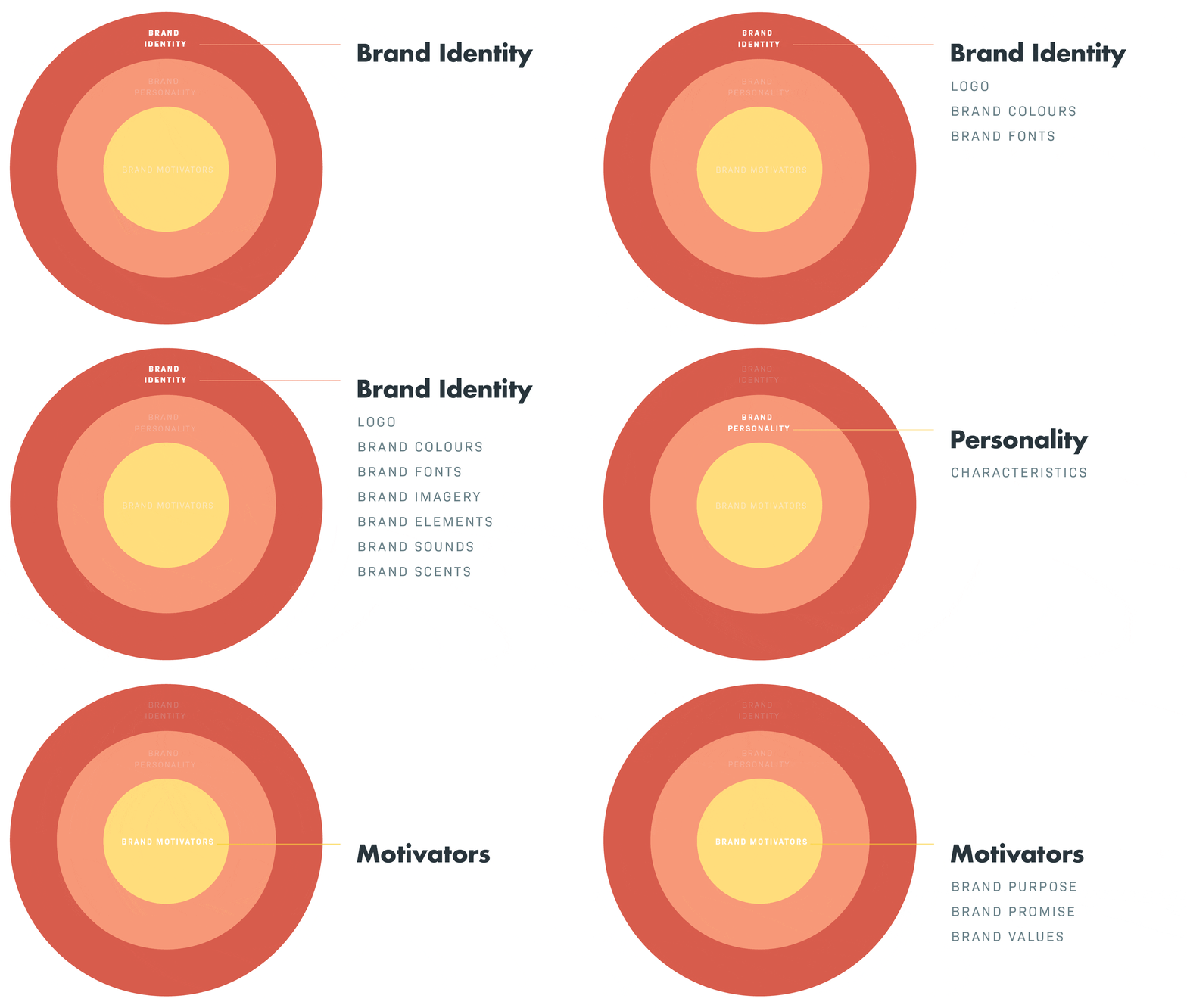
By differentiation, we mean the things that no one else can offer because they’re utterly unique to your brand. And these things are your brand purpose, your brand promise and your brand values

Of course, external attributes like your brand identity and personality are incredibly important, too. They help to establish awareness and encourage familiarity with your brand. They also help your audience develop a certain level of affinity and maybe even loyalty.

But to connect with your audience on a deeper level in a way that no other business can, you need to tap into the intrinsic elements that motivate your brand. The ones that give meaning to what you do and support you in driving change. And when you can articulate these in a way that really resonates with your audience? Well, there’s nothing more powerful than that for creating deeply loyal customers.

02 Brand values help to guide business and partnership decisions

Having a clearly defined set of brand values is really handy for assessing business decisions and partnership opportunities for alignment with where you’re headed as a brand. 

Consider this. You’re an up and coming e-commerce brand that prides itself on sourcing eco-friendly products from local manufacturers. Part of the reason you exist is to support these small businesses and to encourage consumers to spend their money on goods that have little impact on the planet. As business starts taking off, a manufacturer with an awesome product (at a great price) reaches out in the hopes you’ll take on their stock. But once you dig a little deeper, you learn that some of the manufacturing processes are pretty harmful – despite the materials themselves meeting your eco-friendly criteria. 

Of course, you could argue that the products themselves live up to your standards. But as one of your core values is to minimise impact on the environment, taking them on would mean falling short of the standards you set for yourself. And as well as being inauthentic to yourself, you’d be inauthentic to the customers who really resonate with your brand values. Sure, there would be some who might not care. But your loyal customers, the ones that make up a large chunk of your revenue are probably not going to be doing business with you again any time soon. 

I guess what we’re trying to say is that it’s pretty easy to jump the gun when an exciting opportunity presents itself. But think – is this decision likely to lead you closer to (or further away from) the brand you want to be?

That’s the power of articulating your brand values; they make it really easy to spot something that just isn’t the right fit for who you are as a brand. They ensure you stay true to your customers and that you don’t dilute the message of what you stand for – no matter how enticing an opportunity might seem.

03 Brand values give your employees a standard to live up to

For values to be truly authentic, they need to radiate through every interaction your customers have with your business – and that includes interactions with your employees. 

With clearly defined and articulated brand values, your employees have total clarity on how they’re expected to act and react when representing your business. With a clear understanding of what it means to embrace and embody your brand values, the chances of an employee contradicting your ideals drop dramatically and the authenticity of your brand values is more likely to remain intact.

With this in mind, brand values are a really good gauge to use during the hiring process and to assess whether a new recruit will align with the direction of your business. Articulating your brand values will also help to attract more of the people you want on your team while perhaps discouraging those that may not share your attitudes and beliefs.

04 The takeaway

At the end of the day, values are only as valuable as your ability to live by them. So before you set your values in stone, make sure to really think about how you’ll prove to your audience that they’re authentic.

Meet Josh, our resident Yogi and the king of fancy-dress!

(more…)

P

(07) 5576 7841

E

hello@lemontreemarketing.com.au

Fill in your details and we’ll be in touch