
It’s a mistake we see all the time: sales and marketing sit in separate silos and don’t talk to each other. (more…)
Marketing blogs with substance

- Uncategorised
Email is still one of the most effective marketing channels out there. 59% of marketers report that email is their biggest source of return on investment (ROI). Different stats have the average ROI of email between 3,800% and 4,400%. That’s huge!

- Brand
As the end of the financial year creeps up, it’s the perfect time to start thinking about ways to refresh your business. From implementing new processes or entering a new market to refocussing your company mission, June 30 is a great marker for change and one we’re always excited to get stuck into.

- Digital Marketing, Marketing Strategy
Not all marketing channels will be right for your business. You want to avoid wasting your time and money by hopping aboard the latest trendy channel, which doesn’t actually reach your target audience. (more…)

- Uncategorised
After the bump in sales over the Christmas and Boxing Day period, what do you do next? It’s time to think about how you can turn new sales into repeat customers. (more…)

- Uncategorised
As the barriers to entry to create an e-commerce site have decreased, the number of online stores has multiplied. But just because it’s super easy to set up your online store, it doesn’t mean the revenue will immediately start pouring in.
Follow the recipe below to cook up a successful e-commerce website that drives more sales.
[vc_separator type=’full_width’ position=’center’ color=’#d6d6d6′ thickness=’1′ up=’40’ down=’40’]
Homepage
[vc_separator type=’full_width’ position=’center’ color=’#ffffff’ thickness=’1′ up=’0′ down=’20’]
Easy navigation
It should be easy for visitors to get to where they want to go on your e-commerce site. Make the navigation experience intuitive. That means labelling menu items clearly, and not trying to be too clever. Bonus points if you do some user testing to ensure your idea of easy navigation is the same as your visitors’.
Search bar
Hva Spilleguiden har lært om RTP og hvordan spillere bruker det
Tilbakebetalingsprosent, eller RTP (Return to Player), er et av de mest omtalte begrepene i spillbransjen, men også et av de mest misforståtte. Siden nettkasinoer begynte å vokse frem på slutten av 1990-tallet, har RTP-verdier blitt brukt som et sentralt mål på hvor gunstig et spill er for spilleren. Men hva betyr egentlig disse prosenttallene i praksis, og hvordan bruker faktiske spillere denne informasjonen når de velger spill? Det er spørsmål som har opptatt mange aktører i bransjen i årevis, og svarene er langt mer nyanserte enn de fleste tror.
Hva RTP faktisk betyr – og hva det ikke betyr
RTP er definert som den prosentandelen av innsatte penger et spill teoretisk sett betaler tilbake til spillerne over tid. Et spill med 96 % RTP vil, i teorien, returnere 96 kroner for hver 100 kroner som settes inn totalt sett. Det sentrale ordet her er «teoretisk». RTP beregnes over millioner av spillrunder og er en statistisk forventningsverdi, ikke en garanti for hva den enkelte spiller vil oppleve i en enkelt spilløkt.
Denne distinksjonen er avgjørende. En spiller som setter inn 500 kroner på en spilleautomat med 96 % RTP, kan like gjerne tape alt på én time som å doble innskuddet sitt. Variansen i spillet – som beskriver hvor mye enkeltutbetalinger svinger rundt gjennomsnittet – spiller en minst like stor rolle for den faktiske spillopplevelsen. Et spill med høy varians og 96 % RTP kan gå hundrevis av runder uten en eneste stor gevinst, mens et spill med lav varians og 94 % RTP kan gi jevnlige, mindre utbetalinger.
RTP-verdier fastsettes av spillutviklerne og verifiseres av uavhengige testlaboratorier som eCOGRA, iTech Labs og Gaming Laboratories International (GLI). Disse laboratoriene har eksistert siden tidlig på 2000-tallet og er akkreditert av reguleringsmyndigheter i en rekke jurisdiksjoner, inkludert Malta Gaming Authority (MGA) og UK Gambling Commission. Norske spillere som bruker utenlandske kasinoer, er dermed i stor grad beskyttet av disse internasjonale standardene, selv om Norge ikke har et eget lisensiert marked for private kasinoer per 2024.
Det finnes også en viktig forskjell mellom den publiserte RTP og den faktiske RTP som et kasino konfigurerer for sine spill. Mange spillutviklere tilbyr spill med justerbar RTP innenfor et bestemt intervall – for eksempel mellom 94 % og 97 %. Kasinoet velger selv hvilken innstilling de vil bruke, og det er ikke alltid dette kommuniseres tydelig til spillerne. Dette er en av grunnene til at transparens rundt RTP-innstillinger har blitt et stadig viktigere krav fra regulatorer de siste årene.
Hvordan spillere faktisk bruker RTP-informasjon
Forskning og brukerdata fra spillplattformer viser et interessant mønster: de fleste spillere vet at RTP eksisterer, men relativt få bruker det aktivt i beslutningsprosessen. En undersøkelse gjennomført av UK Gambling Commission i 2022 viste at under 30 % av britiske nettkasinospillere regelmessig sjekker RTP-verdien før de starter et spill. Blant de som gjør det, er det en klar overvekt av erfarne spillere med mer enn to års erfaring på nettkasinoer.
Det som derimot driver spillernes valg i langt større grad, er spillets visuelle uttrykk, temaet, bonusfunksjonene og anbefalinger fra andre spillere. Dette er ikke nødvendigvis irrasjonelt – underholdningsverdien er en reell del av det spillere betaler for. Men det betyr at RTP-informasjonen i mange tilfeller fungerer mer som et bakgrunnsfilter for informerte spillere enn som et primært valgkriterium.
Det er her ressurser som Spilleguiden har spilt en rolle i å heve kunnskapsnivået blant norske spillere, ved å forklare RTP-konseptet i sammenheng med andre faktorer som volatilitet, bonusomsetningskrav og spillmekanikaer. Når spillere forstår at en bonus med 50 ganger omsetningskrav på et spill med 96 % RTP i praksis betyr at kasinoet beholder en betydelig andel av bonusverdien, begynner RTP å gi mening i en bredere kontekst.
Erfarne spillere bruker gjerne RTP som et første sorteringskriterium – de utelukker spill med RTP under en viss terskel, gjerne 95 % eller lavere, og velger deretter basert på andre faktorer. Denne tilnærmingen er rasjonell fordi den begrenser den langsiktige ulempen uten å ofre spillopplevelsen. Spillere som aktivt søker etter spill med RTP over 97 %, finner seg ofte i en begrenset pool av klassiske bordspill som blackjack og baccarat, eller bestemte spilleautomater kjent for høy tilbakebetaling, som Mega Joker fra NetEnt med en RTP på opptil 99 %.
Bransjeutviklingen og regulatoriske krav til RTP-transparens
Kravene til åpenhet rundt RTP har skjerpet seg betydelig siden midten av 2010-tallet. UK Gambling Commission innførte i 2015 krav om at kasinoer måtte gjøre RTP-informasjon tilgjengelig for spillerne, og Malta Gaming Authority fulgte med lignende krav. Fra 2019 begynte flere jurisdiksjoner å kreve at den faktiske, konfigurerte RTP – ikke bare den teoretiske maksimumsverdien – skulle være synlig i spillets informasjonspanel.
Dette representerte et viktig skifte. Tidligere var det vanlig at kasinoer promoterte spill med den høyeste mulige RTP-verdien fra utvikleren, mens de i praksis brukte en lavere innstilling. Etter de nye kravene ble dette vanskeligere å skjule, og mange kasinoer begynte å konkurrere på transparens som et differensieringspunkt. Noen kasinoer, særlig de som opererer under britisk lisens, begynte å publisere månedlige RTP-rapporter som viste gjennomsnittlig faktisk tilbakebetaling på tvers av alle spill.
Spillutviklernes rolle i dette bildet er også verdt å merke seg. Store utviklere som NetEnt, Microgaming, Play’n GO og Pragmatic Play publiserer alle RTP-verdier åpent i spillets paytable, og mange har gått over til å tilby spill med fast RTP for å unngå forvirring. Pragmatic Play introduserte i 2021 en praksis der de tydelig merker spill med ulike RTP-innstillinger i sine markedsføringsmaterialer, noe som ble godt mottatt av regulatorer og spillerorganisasjoner.
I Norge er situasjonen noe annerledes. Norsk Tipping og Norsk Rikstoto er de eneste lovlige tilbyderne av pengespill i Norge, og de opererer under strenge krav fra Lotteritilsynet. Norsk Tipping publiserer RTP-verdier for sine spilleautomater, og disse er generelt satt lavere enn hva mange internasjonale kasinoer tilbyr – typisk mellom 85 % og 92 %. Dette er et bevisst politisk valg for å begrense spillaktivitet og kanalisere midler til samfunnsnyttige formål, men det betyr at norske spillere som benytter utenlandske plattformer, ofte møter betydelig høyere RTP-verdier.
Lotteritilsynet har siden 2020 intensivert arbeidet med å blokkere betalingstransaksjoner til utenlandske kasinoer uten norsk lisens, men effektiviteten av disse tiltakene er omdiskutert. Mange spillere bruker alternative betalingsmetoder som e-lommebøker for å omgå blokkene, og trafikken til utenlandske kasinoer fra norske IP-adresser har ikke falt dramatisk i perioden etter at blokkene ble innført.
RTP i kontekst av moderne spillfunksjoner og bonusmekanikker
En av de viktigste utviklingene i spillbransjen de siste ti årene er fremveksten av komplekse bonusfunksjoner som gjør det vanskeligere å bruke RTP som et enkelt sammenligningsgrunnlag. Spilleautomater med «buy bonus»-funksjoner, progressive jackpotter, og Megaways-mekanikker har alle egenskaper som påvirker den effektive RTP på måter som ikke alltid er intuitive.
Ta progressive jackpottspill som eksempel. Et spill som Mega Moolah fra Microgaming kan ha en publisert RTP på rundt 88 %, noe som virker lavt sammenlignet med standardspill. Men denne RTP-verdien inkluderer jackpottbidragene, som i teorien kan utbetales til en enkelt spiller i en massiv sum. For den gjennomsnittlige spilleren som aldri vinner jackpotten, er den effektive RTP betydelig lavere enn 88 %. Dette er informasjon som sjelden formidles tydelig i markedsføringen av slike spill.
Buy bonus-funksjoner, som ble populære fra rundt 2018 og fremover, lar spillere kjøpe seg direkte inn i bonusrunden for en fast pris – ofte 50 til 100 ganger innsatsen. RTP for bonuskjøpet er vanligvis høyere enn for basisspillet, men den høye kostnaden betyr at variansen er ekstrem. Regulatorer i Storbritannia forbød buy bonus-funksjoner i 2019 av hensyn til ansvarlig spill, men de er fortsatt tillatt i de fleste andre jurisdiksjoner.
Megaways-mekanikken, utviklet av Big Time Gaming og lisensiert til en rekke andre utviklere, introduserer et variabelt antall symboler per hjul som kan gi opptil 117 649 måter å vinne på. Spill med denne mekanikken har typisk høy volatilitet og RTP-verdier mellom 96 % og 97 %, men den ekstreme variansen betyr at spillere kan oppleve svært lange tapsstrekk før en stor gevinst treffer. For spillere som bruker RTP alene som veiledning, kan slike spill gi en overraskende negativ opplevelse.
Omsetningskrav på kasinobonus er et annet område der RTP-forståelse er avgjørende. Et omsetningskrav på 35 ganger bonusbeløpet på et spill med 96 % RTP betyr at spilleren statistisk sett vil tape 4 % av den totale omsetningen. Med en bonus på 1000 kroner og 35 ganger omsetningskrav betyr dette at spilleren forventes å sette inn 35 000 kroner totalt, og den forventede tapsprosenten på 4 % gir et forventet tap på 1400 kroner – mer enn bonusens verdi. Dette er matematikk som mange spillere ikke er klar over, og som understreker viktigheten av RTP-kunnskap i praktisk bruk.
Spillguider og informasjonsressurser har gradvis blitt bedre til å formidle denne typen sammensatt informasjon. Det er ikke lenger tilstrekkelig å bare liste opp RTP-verdier – spillere trenger kontekst om volatilitet, bonusvilkår og spillmekanikker for å ta informerte beslutninger. Denne utviklingen mot mer helhetlig informasjonsformidling gjenspeiler en modning i bransjen, der både regulatorer og ansvarlige aktører erkjenner at RTP alene ikke gir et fullstendig bilde av spillopplevelsen.
Forståelsen av RTP har utviklet seg fra å være et teknisk begrep forbeholdt bransjeinsidere til å bli et verktøy som stadig flere spillere aktivt søker informasjon om. Likevel viser erfaring fra bransjen at kunnskap om RTP er mest verdifull når den kombineres med forståelse for volatilitet, bonusvilkår og egne spillvaner. En spiller som kjenner disse sammenhengene, er i langt bedre stand til å sette realistiske forventninger og ta bevisste valg – uavhengig av om de spiller for underholdningens skyld eller med et ønske om å maksimere sjansene for gevinst.
Have you ever gone on to a site looking for something in particular only to realise you have no idea where to find it? This is why a search bar is so important. The last thing you want to do is make it difficult for your potential customers to find all your amazing products, so always include a search bar (and make sure it works).
What value do you offer your customers? What makes your product or service unique? Is it that other businesses don’t or can’t? Including a concise value proposition on your homepage makes it very clear to your customer why they should purchase from you.
Top categories or best-sellers section
What are the main categories or best-selling products your customers are purchasing? Including quick links to your best-selling categories or products saves your customers the hassle of digging through your website to find them.
About us section
Include a bio section on your homepage, as well as a dedicated ‘about’ page. Telling your visitors who you are and what you do helps build trust with new customers. Include some information about where you’re based, how many years you’ve been operating and an overview of your brand values to start building an authentic customer-brand relationship.
[vc_separator type=’full_width’ position=’center’ color=’#d6d6d6′ thickness=’1′ up=’40’ down=’40’]
Product pages
[vc_separator type=’full_width’ position=’center’ color=’#ffffff’ thickness=’1′ up=’0′ down=’20’]
Great product categorisation
Categories are designed to help consumers find the products they are looking for, so keep them as simple and straightforward as possible. If you need a lot of categories, think about incorporating breadcrumb navigation* into your sub-page designs.
*Breadcrumb navigation is a secondary navigation system that shows the visitor’s location in a website. They are often shown as text links separated by the ‘>’ symbol.
High-quality product images
Potential customers need to be able to see what they are buying. High-quality images convey high-value products and increase customer trust. If you’re selling physical products, we recommend showing both studio shots and ‘in-situ’ imagery. Even if you are selling a digital product, imagery can still convey plenty. You can show the cover of an ebook or screenshots of an app, for example.
Compelling copy
Writing compelling copy is important on every page of your website, but is absolutely essential on your product pages. Product pages are the final touch point before the user decides to either purchase or abandon. Highlight product USPs and how the product provides a solution for the customer, where they would use it and how it works. Include any guarantees you provide, along with customer reviews to assure your visitor they are making the right decision by purchasing.
A stand-out ‘add to cart’ button
The primary function of your e-commerce site is to get customers to purchase your products, so ensuring your ‘add to cart’ button stands out sufficiently from the rest of the page is essential. There’s no magic colour for the ‘add to cart’ button, as long as it’s in a contrasting colour from the rest of the page. Make sure it’s in an obvious and clear location, as well.
Ratings and reviews
Unless you’re a very well-known brand, it can be a leap of faith for a customer to purchase from a new online shop. Will the product match the description? Are you a trustworthy vendor? This is where ratings and reviews can be so powerful. Hearing from past customers can help make new customers feel comfortable enough to click the buy button. Even negative reviews can build trust if you respond empathically and work to make things right. The flip side is encouraging customers to leave reviews. Ask for a review in your follow up emails and even offer a discount on future products in exchange for reviews.
Related products
If a visitor is interested in one of your products, there’s a pretty good chance they’ll be interested in other products too. Including a ‘related products’ section on your product page gives you a chance to upsell associated items.
[vc_separator type=’full_width’ position=’center’ color=’#d6d6d6′ thickness=’1′ up=’40’ down=’40’]
Checkout process
[vc_separator type=’full_width’ position=’center’ color=’#ffffff’ thickness=’1′ up=’0′ down=’20’]
Visual progress indicator
With attention spans dwindling, it’s vital that your checkout process is as quick and streamlined as possible. People get bored or fed up with lengthy checkouts, so having a visual progress indicator simplifies the process by allowing the user to understand where they are in that process, assuring them that they are almost finished.
Order summary
Make sure your checkout process includes an order summary. Order summaries reassure shoppers that they are buying what they intended to buy and help reduce cancelled orders.
Secure checkout badges
People often abandon a purchase when they’re unsure of the security of the website. Including a secure checkout badge and using HTTPS can help assure shoppers that your business is legit and that all payments are secure.
Multiple payment methods
What payment methods are you offering? With so many different ways to pay for goods and services, it goes a long way to ensure you’re covering all bases. You don’t want to lose someone at the very last minute by not offering their preferred payment method, so do a little research into your target market and make sure you’re giving them the option to pay with their favourite ones.
[vc_separator type=’full_width’ position=’center’ color=’#d6d6d6′ thickness=’1′ up=’40’ down=’40’]
Think mobile
[vc_separator type=’full_width’ position=’center’ color=’#ffffff’ thickness=’1′ up=’0′ down=’20’]
As of March 2018, an estimated 1 in 4 online purchases were made through a mobile device (source: Statistica). So, if your website isn’t optimised for mobile, you can assume that you’re going to be losing out on at least 25% of sales. What’s more, Google now use mobile first indexing (as opposed to desktop-first as was the former standard). That means Google looks at the mobile version of your website first. Unfriendly mobile sites are penalised with low rankings.
If you’re keen to optimise your mobile site, read these 8 tips for optimising your mobile site design. If you’re unsure whether your site is likely to be penalised, check out Google’s Mobile-Friendly Test Tool.
[vc_separator type=’full_width’ position=’center’ color=’#d6d6d6′ thickness=’1′ up=’40’ down=’40’]
Remarketing integration
[vc_separator type=’full_width’ position=’center’ color=’#ffffff’ thickness=’1′ up=’0′ down=’20’]
Boost your subscriber list with a sign-up form
Growing your email list allows you to build a database of interested prospects that you can nurture over time. A great way to do this is to provide an incentive to sign up to your database. This could be something as simple as 10% off or a free gift.
Just add a popup to your site asking for an email address in exchange for your incentive. Make sure the popup doesn’t appear the second the site is loaded, however, or you’ll come off as annoying. Add a 10-second delay.
Welcome email series
Build a stronger customer relationship by welcoming them into your community and giving them something in return to say thank you. A good recipe for a welcome email includes a gift, clickable product or category links, a little about your company and social media links.
Abandoned cart email series
A warm lead is easier to convert than a cold one. Creating a series of automated emails can help convert people who added a product to their cart but didn’t complete checkout. Successful abandoned cart emails include content like social proof, ratings and reviews and discounts.
[vc_separator type=’full_width’ position=’center’ color=’#d6d6d6′ thickness=’1′ up=’40’ down=’40’]
And that’s it!
While it might seem overwhelming, including these things into your e-commerce site will set you up for real online success. If you’re keen to boost your sales through a better e-commerce site, but don’t feel confident in doing it on your own, our team can lend a hand. To chat more about your site, give us a call on 07 5576 7841 or email hello@lemontreemarketing.com.au.

- Digital Marketing
Following our blog on our top 5 online shopping events to boost your sales this Silly Season, we’ve put together our 6 top tips for preparing a great seasonal campaign.

- Uncategorised
Content marketing is a strategy that focuses on creating valuable and relevant content that attracts and retains a specific audience. Since the rise of online tools such as Facebook Pixels, LinkedIn Matched Audiences and Google’s Remarketing tools, the value of content marketing has skyrocketed. (more…)
- Uncategorised
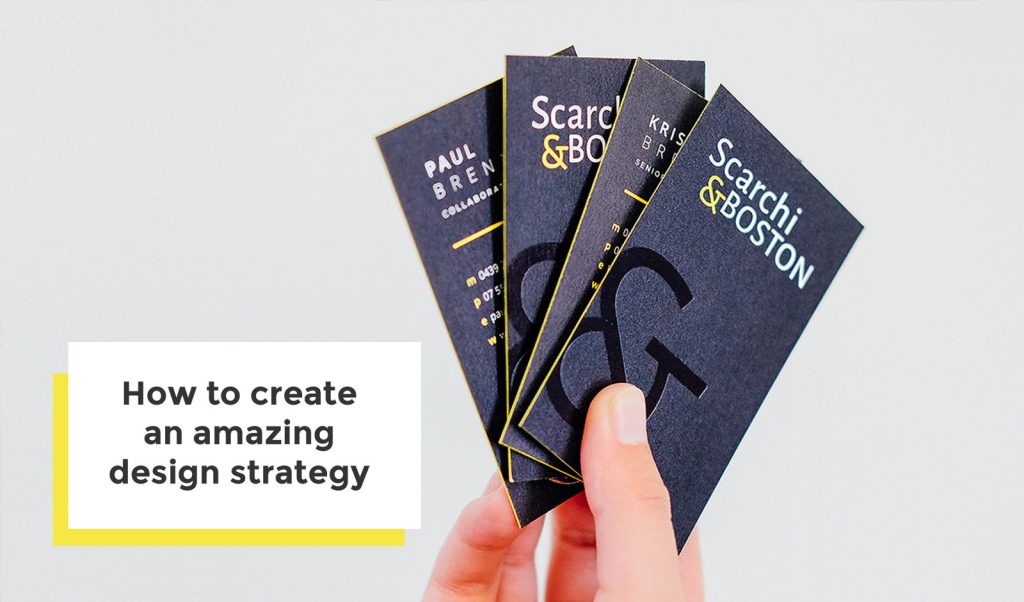
Design is much more than pretty pictures and a nice colour scheme. Essentially, design should be a calculated and purposeful expression of the brand and what it stands for. So how does this relate to the success of your business? (more…)